by Strategic Lead Katie Green
What a joy it has been to finally start sharing the news of our recent funding from the National Lottery through Arts Council England! This will enable us to test a program of co-commissions supporting museums to be able to work with dance artists and their local communities. Through this process, we want to find out more about the role The Imagination Museum network could have in supporting more of these collaborations to happen, increasing the range of partners and audiences who can experience the magic of moving in museums.
This opportunity is the result of an extended period of development with our co-commission partners in London and Ipswich, and with lots of other people involved in the process including members of our wonderful Executive Committee and specialist consultants. It has also been informed by feedback we received when we toured the country for our last programme of in-person events in 2024, when we spoke to many dance artists and museum practitioners about their vision for a collaborative dance/heritage process that would support the best outcomes for participants.
To honour all of the time and energy that has been invested in making this opportunity possible we want to do the best job we can as we start to get the co-commissions off the ground. Initially, this has focused on trying to make the artist callout and application process as clear and inclusive as it can be with the time and money we now have available.
I wanted to share some of the things we have decided in our discussions around this process in the hope that this will make it more transparent for those interested in applying and just to share some of the learning that has already happened, for those who might be interested in doing something similar in the future.
Clear and transparent
Although there are specifications for the two commissioning opportunities, meaning they will be more suited to some artists than others (i.e. those with experience working with the particular kinds of participants at the heart of each commission), we wanted to make sure that the opportunity was as accessible as possible to anyone who might consider applying.
To support this, we have focused on trying to make the callout as clear as possible.
We’ve checked it alongside examples of other callouts and gone through it with our Executive Committee, who have been able to draw on their experiences recruitment and of commissioning artists (a special thank you here to Louise Katerega and to Liz Clark who shared with us language they used in the recent ‘Shiny’ callout for Turned On Its Head and insights into their interview process). We have opened up opportunities to ask questions of those involved in the co-commissions – the London Q&A session is on the 11th May and we’ll share details of the Suffolk one in June.
At every stage we will try to be transparent about our thought process so applicants know what to expect. The application forms give a bit of information at each stage about why we’re asking what we’re asking and the kind of thing you might like to consider in your response. If you progress to interview, we will share the questions in advance and tell you who will be in the room for the interview. In general we are trying do everything we can to help you make the best case for what you would like to do.
Involving members of the communities local to our co-commission partners in the process of putting together the callouts and selecting artists
We’re delighted to be consulting throughout the process with members of communities in London and Suffolk who represent the individuals and groups who will take part as participants and are linked in with local artist networks. They are helping us to design the callout process and will also be involved in selected the final artists.
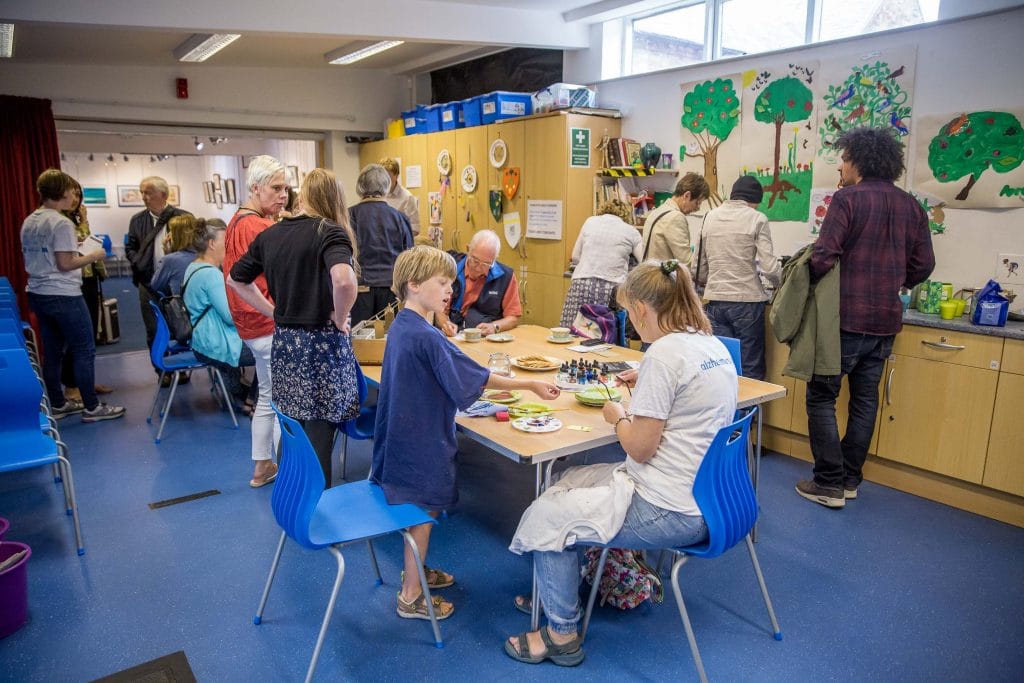
Our conversations with local individuals and groups help us to understand potential barriers to people accessing this kind of activity in the local area and understand ways we can hopefully overcome them. Through our discussions we become aware of the key individuals who are cultural and heritage champions locally and can help us spread the word about what we’re doing, including with people who may not usually engage with something like this (artists and audiences). We’re developing some of our marketing materials keeping in mind what will help people to share the key information via local Facebook and WhatsApp groups, enabling our key connectors locally to share the information beyond those who would already be able to find out about it.
Recognising the value of artists’ time
We recognise the amount of unpaid time it takes artists to prepare applications. We have taken this into account when structuring the callout, bringing all the key information to the top, so artists can hopefully have a sense of whether this is interesting to them before they dive deeper into the materials, and making it clear that we don’t expect applicants to do additional research beyond what is already provided in the callout.
We wanted to set up a two stage application process so that artists could relatively quickly submit an expression of interest which we would then be able to review before only inviting those who seem to be the closest match for what we were offering to make a second stage application.
We know that it will perhaps be frustrating having to boil things down into such a short expression of interest, and that it might also seem like so many things about the project have been decided in advance, that it’s difficult to see how you might be able to find your voice within it. However, to reassure you, although the conditions of finding funding have meant we’ve had to be quite specific in identifying what the final commission needs to achieve before we were successful in securing financial support, there will ultimately be space within the co-commission process for things to develop and change once the selected artists are in place. So write in response to what inspires you about the information you have so far, but we know that things will evolve later on.
Providing different ways of communicating information
If you find it more difficult to express your ideas through writing, you can film yourself talking about them or record a voice note and send it to us. The film/audio edit doesn’t need to be high quality, as long as you are happy that what you’re expressing can be understood by the viewer/listener.
As well as being able to provide your application in different ways, please also let us know on manager@imaginationmuseum.co.uk if you require any of the application materials providing in a different format.
Starting to think about ways we can support artists who aren’t successful in applying for the commissions
If you are not successful in applying for this funding, this does not mean that your work is not of value. If shortlisted and invited to interview, we will tell you what we love about your application. And we will try to find ways we can invite you into the ongoing professional development around the project, whatever happens next.
We hope to share thoughts about the application process in a news article after recruitment is completed. We’re considering an online information event where you can ask us questions about the process and maybe feel that you can come away with some guidance for the future. You are welcome to continue to engage with The Imagination Museum community as you go on to develop your own brilliant projects, receiving news, accessing case studies and resources for example and hopefully attending our events in the future.
Many of us involved in making this work happen have been involved in similar projects before either working with commissioning organisations or as artists who have applied for similar opportunities. We’ve drawn on this experience in trying to put together our offer for artists, but acknowledge that we are at the beginning of a learning process and we’re keen to find out along the way how we can do things better.
We’re inviting you to be part of this next phase of development, and look forward to receiving your applications for the first round of Imagination Museum co-commissions!
Read the full callout for the London co-commission
Read some of our top tips for dancing in museums
The Imagination Museum Co-commissions 2026-7 are being supported financially using public funding from the National Lottery through Arts Council England, the Horniman Museum and Gardens, Trinity Laban, Ipswich Museum, DanceEast and also by Made By Katie Green, current managing organisation for The Imagination Museum dance/heritage network.